
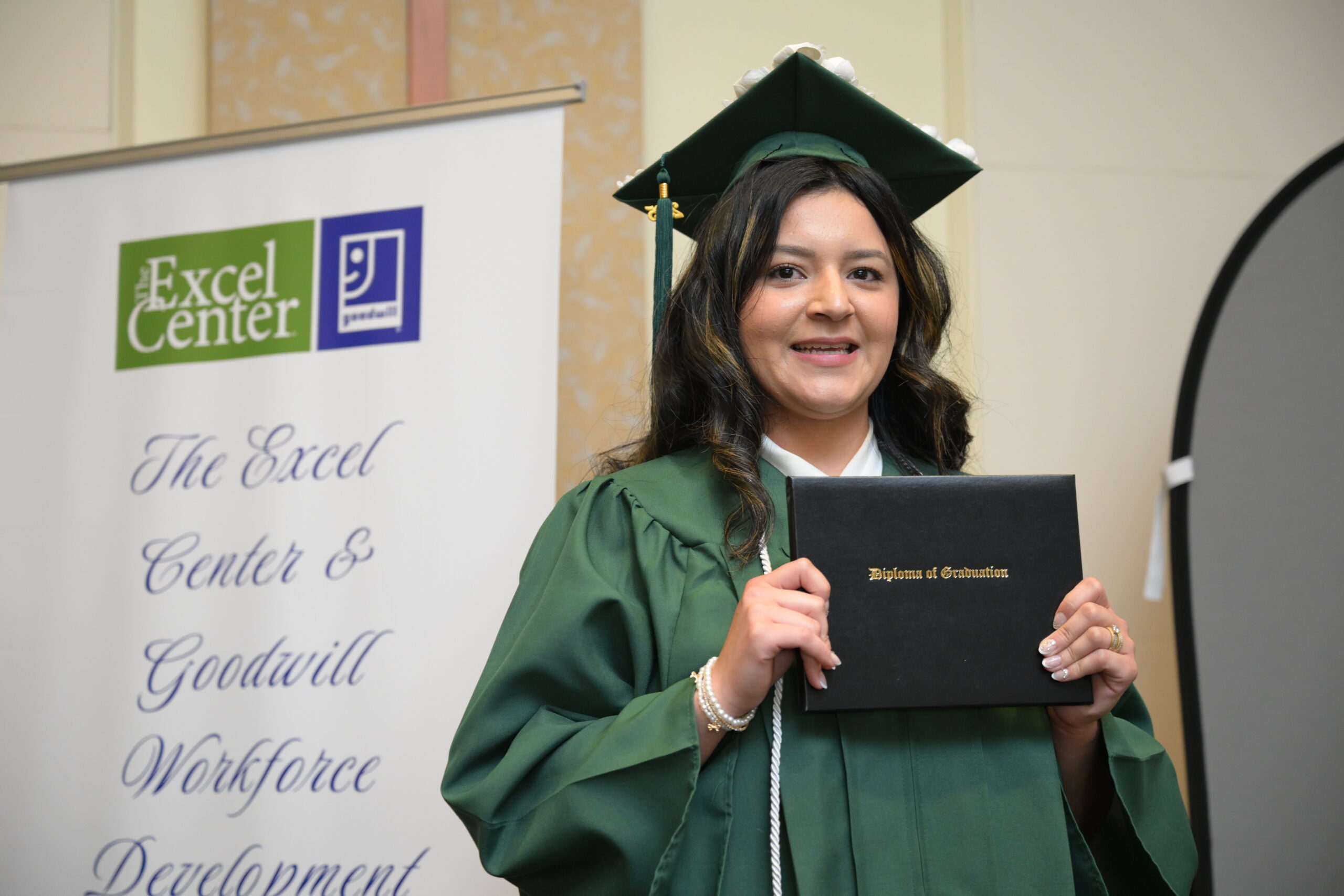
At the Goodwill Excel Center in Baltimore, students are gaining much more than a high school diploma—they’re developing the personal and professional tools that help them thrive long after graduation. Among the most valuable of these tools are soft skills, often referred to as “people skills” or “employability skills.” While hard skills—like computer literacy, technical training, or certification—are essential for job performance, it’s the soft skills that often determine long-term success in the workplace.
What Are Soft Skills?
Soft skills are the interpersonal qualities that shape how individuals communicate, collaborate, and solve problems. They include traits like dependability, adaptability, empathy, teamwork, communication, critical thinking, and emotional intelligence. These abilities help people build strong relationships, manage challenges effectively, and contribute positively to a team or organization.
For adult learners—many of whom are balancing jobs, families, and education—soft skills can be as important as academic knowledge. Employers consistently cite these attributes as key factors when hiring and promoting employees. A candidate who listens well, manages time effectively, and handles feedback gracefully often stands out as a leader.
How Students Develop Soft Skills
At the Goodwill Excel Center, soft skills are intentionally woven into the learning experience. Every class, project, and support interaction provides an opportunity to practice them. For example:
- Classroom collaboration builds teamwork and communication, as students learn to share ideas, resolve differences, and support peers in group assignments.
- Goal setting and accountability meetings with life coaches strengthen self-management and responsibility—two traits employers deeply value.
- Career readiness workshops emphasize real-world communication, from crafting a professional email to preparing for interviews.
- Community engagement and volunteer opportunities teach empathy and problem-solving in diverse social environments.
Instructors and success coaches work closely with students to recognize these strengths as they emerge, helping learners see how the skills they use in class can directly translate to professional settings.
Why Soft Skills Matter in the Workforce
In today’s rapidly changing job market, technical skills can become outdated as technology evolves—but soft skills endure. Employers across industries—from healthcare and hospitality to logistics and construction—look for individuals who can adapt to change, work collaboratively, and show up ready to learn.
For example:
- Communication and teamwork help employees thrive in customer-facing roles and collaborative projects.
- Critical thinking and adaptability are essential when tackling new technologies or unexpected challenges on the job.
- Emotional intelligence enables workers to navigate conflict, build trust, and contribute to a positive workplace culture.
These traits also empower Excel Center graduates to not only secure employment but grow within their careers, pursue leadership roles, and model professionalism for others in their communities.
Lifelong Learning Beyond the Classroom
Soft skills development doesn’t stop at graduation—it’s a lifelong journey. The Goodwill Excel Center’s mission is to help students become confident, capable adults who continue learning, adapting, and leading in every stage of life. By mastering both academic and interpersonal skills, graduates leave with a solid foundation for success in today’s workforce—and the resilience to navigate whatever comes next.
Closing thought:
At the Goodwill Excel Center, education is about more than earning a diploma—it’s about unlocking potential. When students build confidence, communication, and compassion alongside academic achievement, they’re not just changing their own lives—they’re shaping a stronger, more connected Baltimore.