
Turning Your Personal Growth Into a Family Story
Going back to school as an adult is a big step. It takes courage, commitment, and a willingness to believe in your future. But if you’re a parent, that journey isn’t something you take alone. It naturally ripples through your household — and especially into the lives of your children.
That’s why it matters so much to talk with your kids about what you’re doing and why. When you bring them into the story, you’re not just explaining your schedule — you’re showing them what it means to grow, to stretch, and to keep learning even when life is full.
As someone who has been both the student and the child of a parent who returned to school later in life, I know firsthand how meaningful these conversations can be. They create connection. They spark curiosity. And they help your kids see that education doesn’t stop once you’re grown — in many ways, that’s where the most powerful learning begins.
Here are a few ways to make those conversations age-appropriate, honest, and memorable.
1. Be Honest — And Let Them In on the “Why”
Your kids are going to notice when things shift. They’ll see you reading textbooks or typing away on your laptop at night, and sooner or later, they’ll ask what’s going on.
This is your chance to be real with them — and to model what it looks like to invest in yourself.
You might say something simple like:
“When I was younger, I didn’t finish school. But now I’m going back because I want to grow, find a better job, and feel proud of myself.”
It doesn’t have to be a long speech. Just an honest one. These moments plant the seed that learning is lifelong, and that being brave enough to try again is something to admire.
2. Speak Their Language
Every child processes things differently, and how you talk about your education will depend a lot on their age.
For little ones, keep it simple and playful:
“Mommy’s in school too! I even have homework just like you.”
Older kids might be ready for deeper conversations — about your career goals, your dreams, and even the sacrifices you’re making. If they’re in school themselves, this can open up chances to share experiences, like preparing for a test or managing group work. It builds empathy — both ways.
3. Share the Hard Parts (and the Wins, Too)
Kids often think grown-ups have it all figured out. But when they see you wrestling with something — a tricky assignment, a tough grade, or nerves before an exam — it reminds them that struggle is normal, even for adults.
You don’t have to hide the hard stuff. In fact, sharing it can be powerful.
“I was nervous about my math test today, but I studied and gave it my best shot. I think it went okay.”
Moments like that show them that effort matters, that mistakes are part of the process, and that we’re all learning as we go. That kind of emotional openness creates safe space for them to do the same.
4. Make It a Family Affair
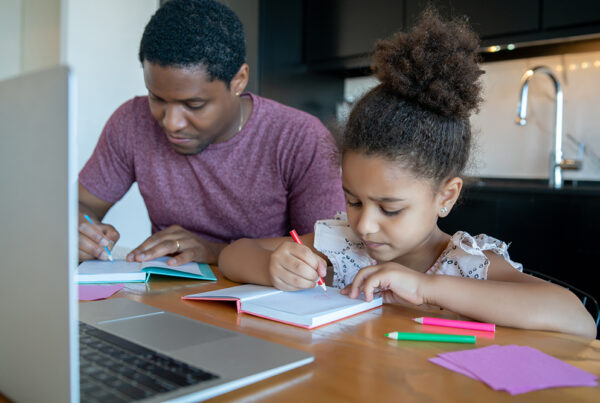
You don’t have to do this alone — and your kids don’t have to feel like bystanders. Invite them into your routine in small ways. Set up a quiet “homework time” where you both work side-by-side. Even if they’re coloring while you write a paper, the togetherness matters.
Celebrate your milestones with them, too:
“I passed my class!”
“I got an A on my paper!”
“I’m almost halfway to graduation!”
Your wins become their wins, too. And they’ll never forget how it felt to cheer you on.
5. Remind Them They’re Still Your Priority
One of the hardest parts of going back to school as a parent is the tug of guilt — the feeling that you’re stretched too thin, that you’re missing moments, that your attention is divided.
Some kids might not know how to express it, but they’ll feel that shift. And that’s why it’s so important to be intentional about connection.
Even when your time is tight, look for small rituals: bedtime snuggles, a shared breakfast, a quick check-in before school. These moments don’t have to be long to be meaningful.
Let them hear it often:
“I’m really busy with school right now, but you are always my number one.”
That kind of reassurance grounds them — and you.
6. Help Them See the Bigger Picture
At the end of the day, this journey isn’t just about your grades or your degree. It’s about what you’re building for your family.
Explain that you’re going back to school to open doors — to find better work, earn more, and live a fuller life. Let them see the dream behind the daily grind.
And remind them:
“If I can go back to school and keep learning, you can do anything, too.”
When you talk to your kids about your education journey, you turn a personal milestone into a family legacy. You show them what it looks like to chase something hard. To keep growing. To believe in a better future, even when the road isn’t easy.
They won’t just remember that you went back to school. They’ll remember that you did it for all of you — and that you invited them along every step of the way.
That’s a lesson that will last a lifetime.